What do you mean by “assent-based”?
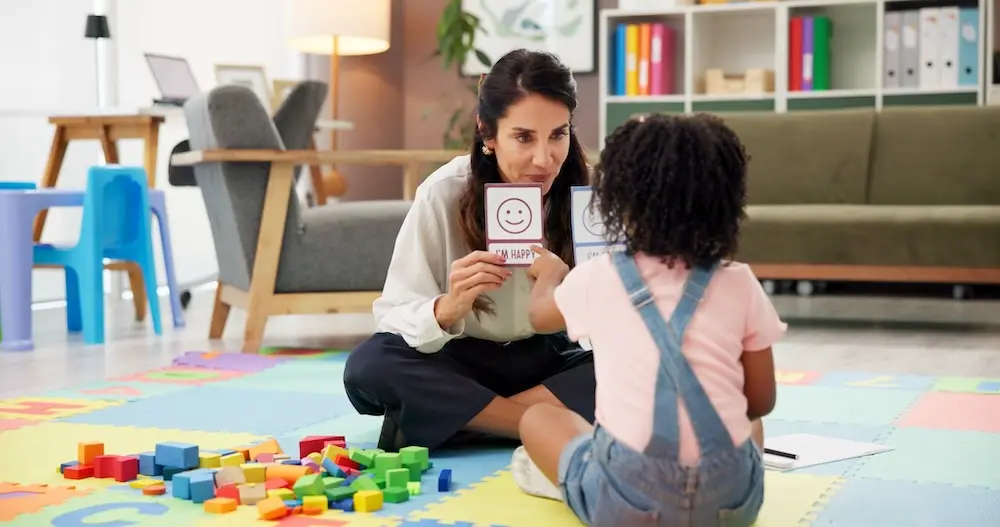
We tune in to the child’s “yes/no” signals and pace to comfort. The goal is participation with buy-in, not compliance.
How does progress actually happen?
We break “try a new food” into tiny, doable steps—look, touch, smell, kiss, lick, micro-bites, small bites, typical bites—so momentum can build.
What does a session look like?
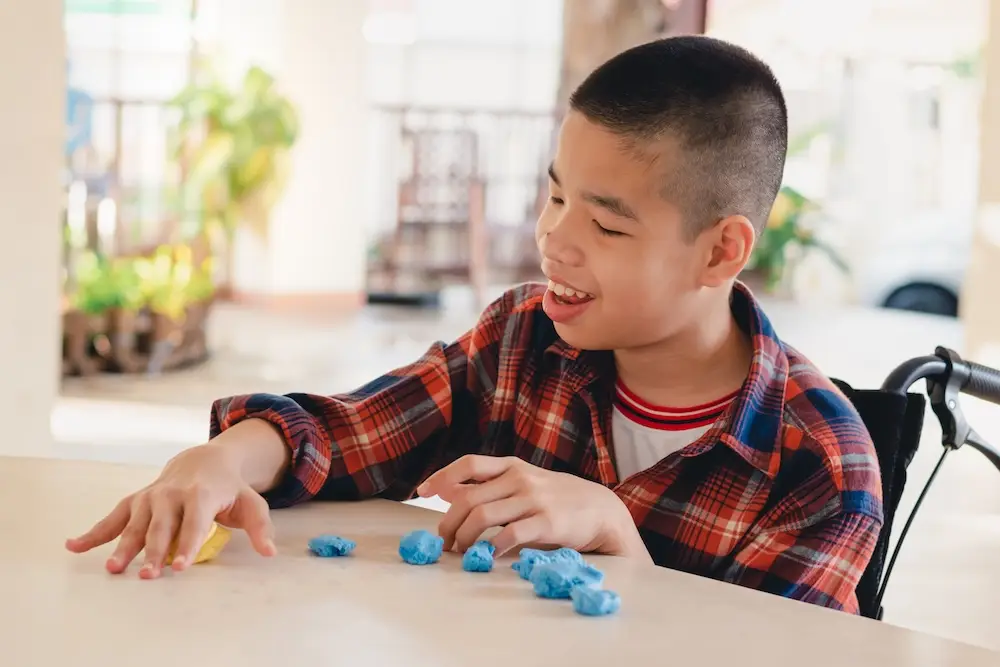
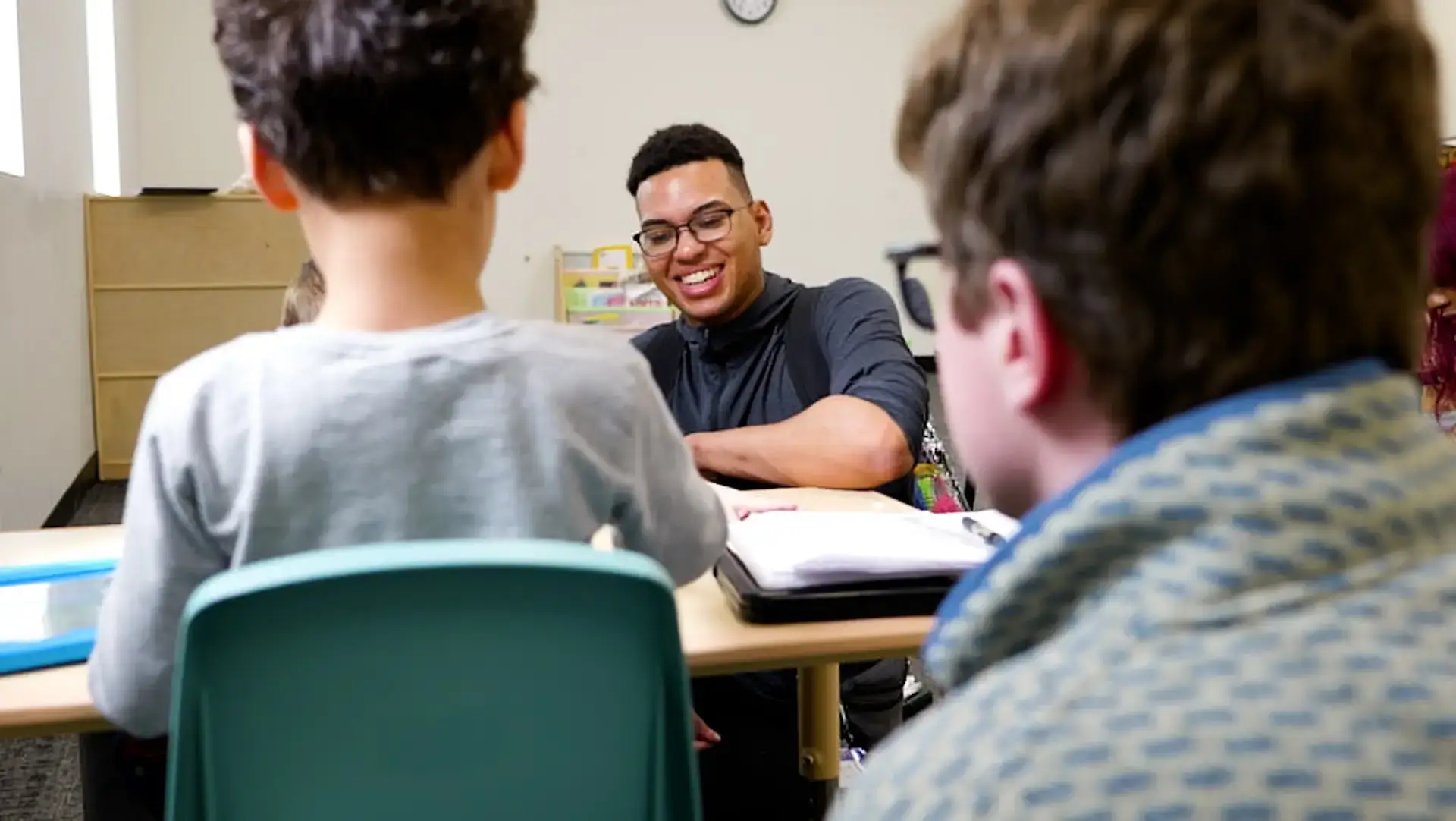
Short, upbeat practice with plenty of breaks and choices. Preferred foods or activities stay nearby to keep things positive.
Do you force food trials?
No. We shape, we pair, and we honor assent. Comfort and safety come first.
How long does change take?
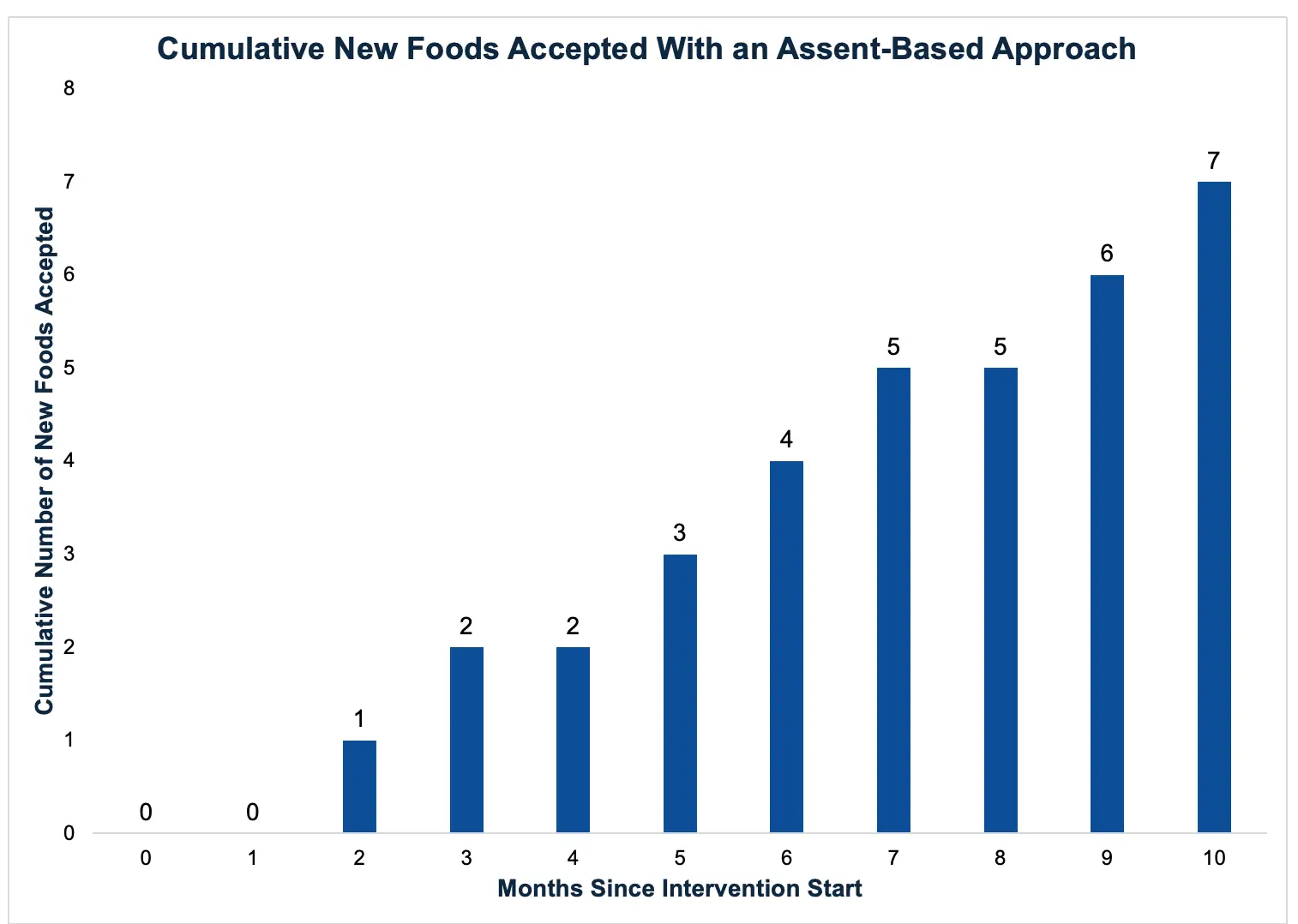
It varies. In one case, a learner added seven new foods over ~10 months with a stepwise plan. That’s a single example; we’re working to replicate and learn who benefits most.
How do you track progress?
Clear, simple targets show which steps a child has mastered by food and texture. Families can see micro-wins adding up.
Will this carry over at home or school?
That’s the goal. We watch for generalization and share simple ways to practice, so gains stick beyond session time.
Is this a guarantee?
No. Every child’s path is unique. We share examples to illustrate the approach, not to promise specific outcomes.
How do you adapt for sensory or medical needs?
Steps and targets are personalized by sensory profile and medical guidance for safe, respectful progress.
Where can I learn more or get started?
Families: connect with our Intake Team. Clinicians: explore research-friendly roles and mentorship through PEBBL.