Home | Therapy Services | Occupational Therapy Services
Empower your child to do
life on their terms.

Within our centers, we serve many children up to 9 years old who have difficulty effectively receiving, processing, and responding to sensory information.
Occupational therapy for autism can help children strengthen skills needed in everyday life. It can target skills related to play, school preparation, executive functioning, and independence in daily living.
Please continue reading to learn more or contact us directly to schedule a consultation.
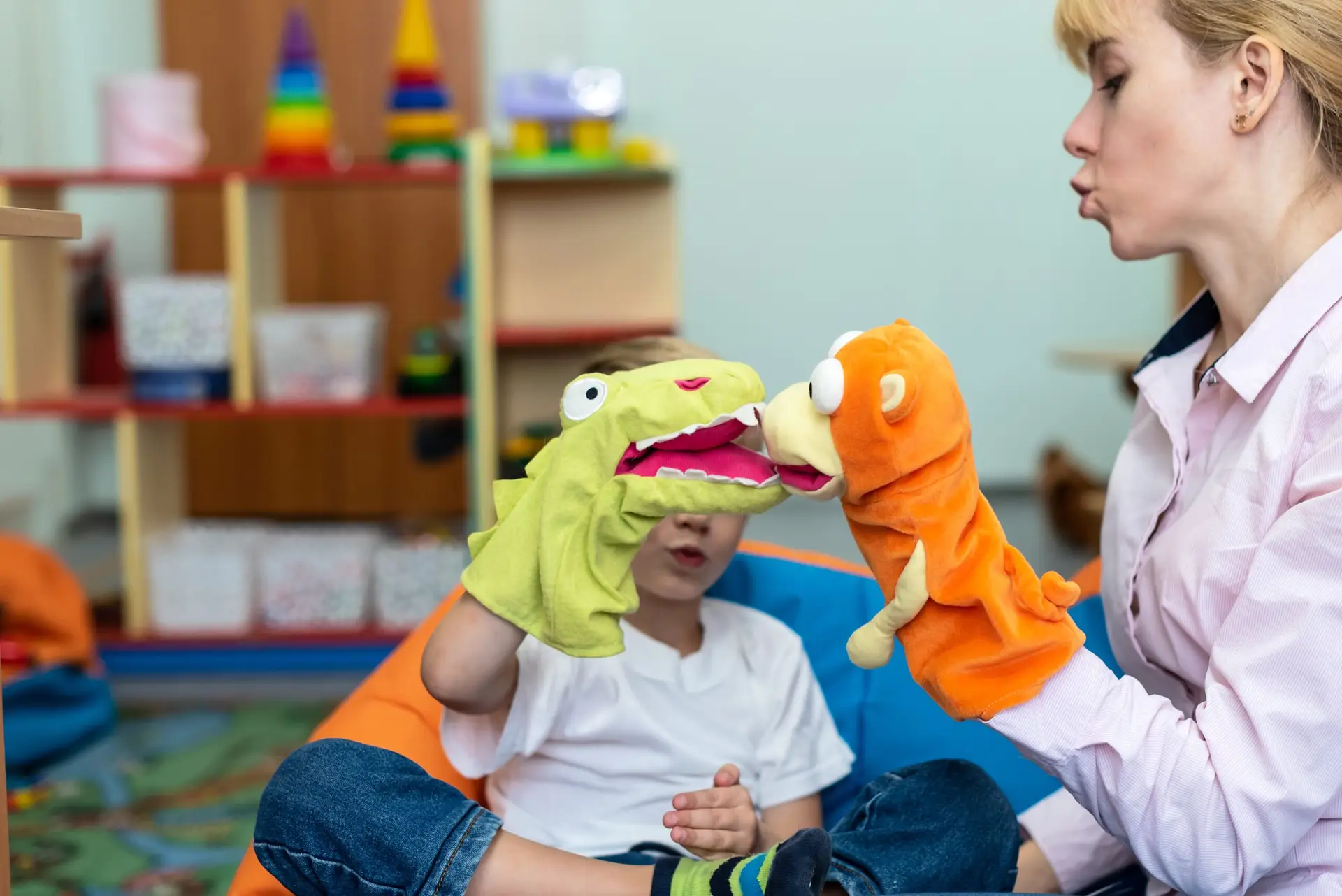
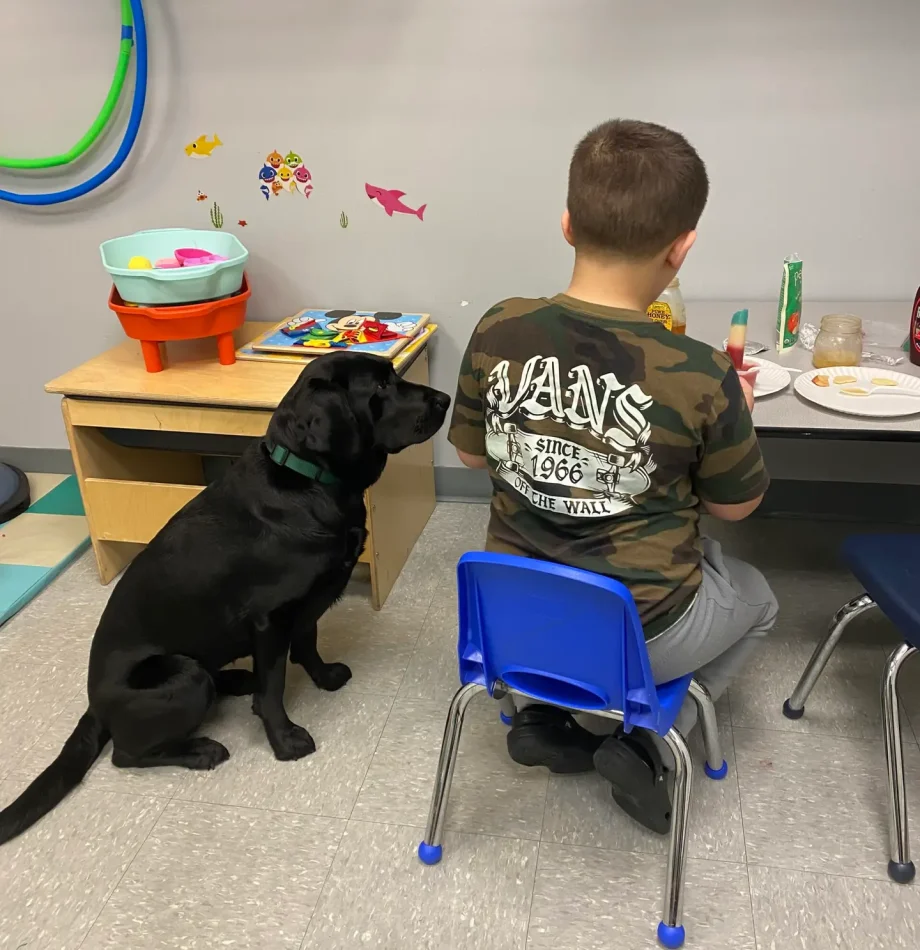
Occupational therapy (OT) is a form of treatment that focuses on helping children with autism develop the skills needed to thrive in daily life. Through play-based activities and targeted interventions, OT can address sensory processing challenges and improve fine and gross motor skills.
In partnership with ABA therapy, OT helps children with autism aged 18 months to 9 years old in various ways, focusing on improving their ability to participate in everyday activities.
Here are some key areas OT can address:
Many children with autism face unique hurdles in their daily lives. Occupational therapy can become a valuable bridge, helping them navigate these challenges and thrive. Here’s how:
Occupational therapists play a pivotal role in your child’s treatment journey.
Our specialists use hands-on developmental activities and adaptive strategies to improve learning and environment to address the following skills:
Occupational therapists use a variety of engaging methods and techniques to help children with autism develop the skills they need to thrive in daily life. These techniques focus on making activities fun and functional, turning therapy into a natural part of a child’s world.
Here are some key methods OTs use:
Using these methods and techniques, OT can significantly improve a child’s ability to participate in daily activities, fostering independence, confidence, and a sense of accomplishment.
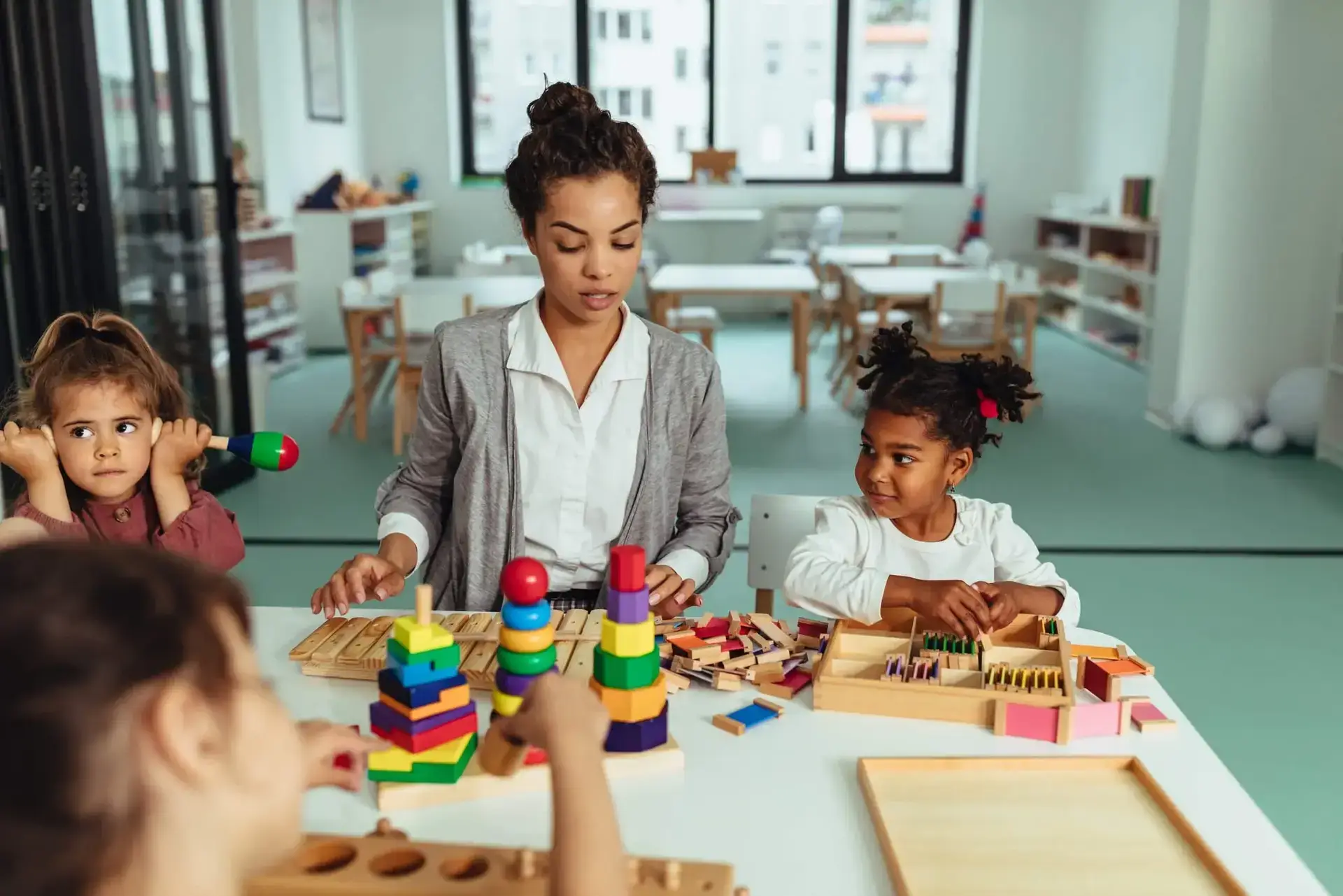
Play is crucial for social development. Occupational therapists create opportunities for children to engage in cooperative play and learn how to share, compromise, and take turns while working on building up fine and gross motor skills.
Occupational therapists can help your child develop strategies to manage sensory input in group environments. This might involve teaching them coping mechanisms for dealing with loud noises or crowded spaces, allowing them to participate more comfortably.
As children with ASD develop social skills and navigate social situations more successfully, their confidence grows. This can lead to increased participation in activities, stronger friendships, and a greater sense of belonging.
By working on these areas, OT helps children with ASD build meaningful relationships, experience the joy of social interaction, and participate more fully in the world around them.
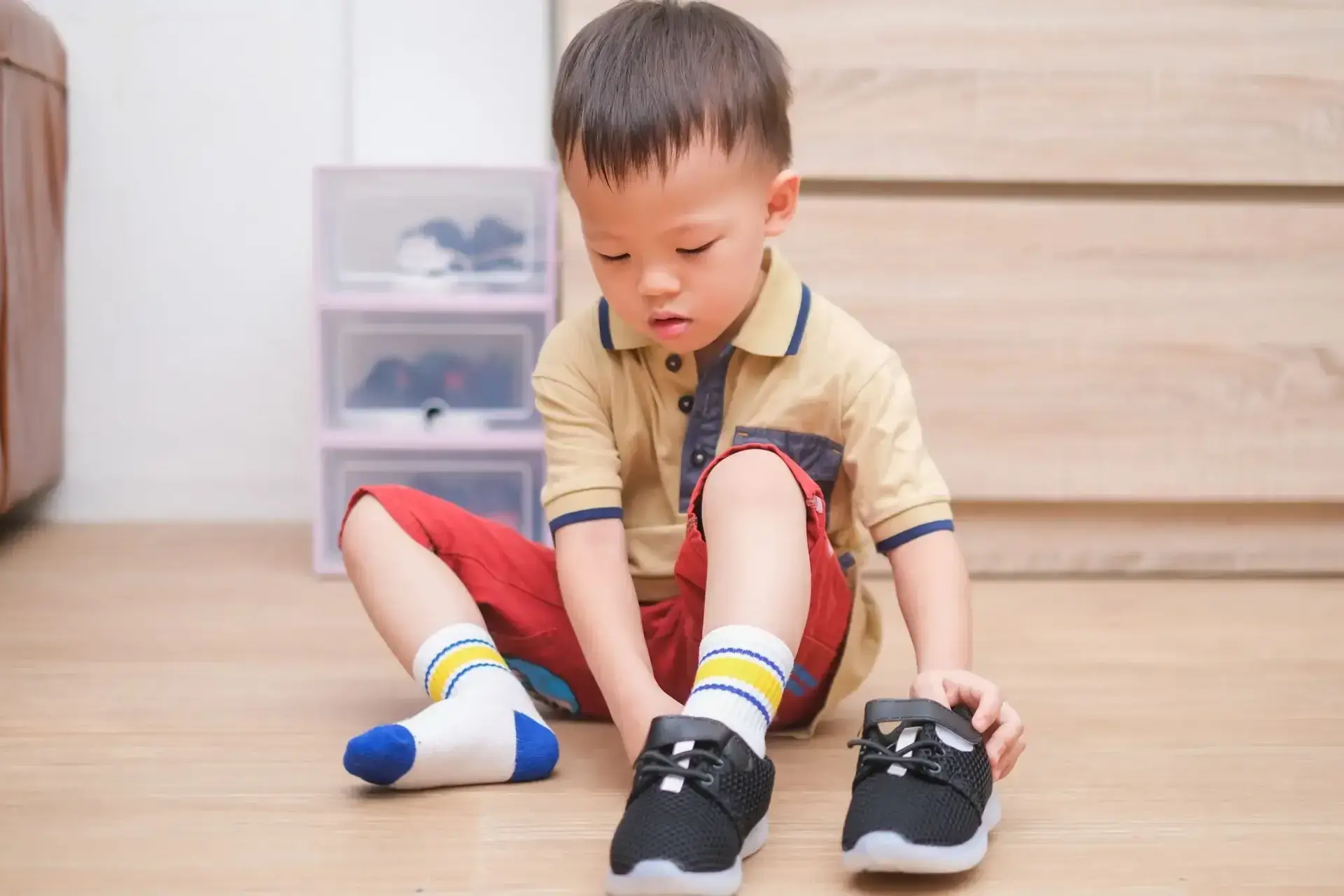
The goals of OT for children with autism are to:
Are you looking for an OT to support your child with autism? At Bierman Autism Centers, we have locations nationwide, making it easier to find a qualified therapist close to you.
Contact us today to get started and learn more about our full spectrum of autism therapy services.

Maeve London, OTR/L

Alyssa O’Neil

Chelsea Anderton

Kayla Mogg

Maddy Cramer

Madison Mahar

Maggie Rhodes

Megan Kirk

Molly Mitchell

Rachel Kilbourne

Ashley Salah

Hailey Conroy
In pediatric occupational therapy for autism, our therapists focus on helping your child build the skills they need to thrive in everyday life. We work closely with your family to address sensory processing challenges, develop fine and gross motor skills, and improve daily living activities like dressing and eating. By using engaging, play-based activities, we create a personalized treatment plan that empowers your child to participate more comfortably and confidently in their daily routines.
Occupational therapy is highly effective for managing sensory processing challenges in children with autism. Our therapists create a safe, supportive environment where your child can explore different sensory experiences, such as touch, sound, and movement. Through targeted, play-based activities, we help your child develop healthy coping mechanisms and self-regulation strategies. This approach reduces overstimulation and helps your child feel more calm, focused, and ready to engage with the world around them.
At Bierman Autism Centers, we believe that playing is learning. While a session might look like simple fun, our occupational therapists are intentionally using play-based activities to target specific developmental goals. Whether it is navigating an obstacle course to build gross motor skills or doing a craft to improve fine motor coordination, play is the most natural and effective way for children to learn. This approach keeps your child engaged, motivated, and excited about their progress.
Progress in occupational therapy is a highly individualized journey, as every child learns and grows at their own pace. Some families notice small, positive shifts in their child’s sensory regulation or confidence within a few weeks. More complex goals, such as mastering self-care routines or fine motor tasks, may take several months of consistent practice. We work collaboratively with you to set realistic milestones, celebrate every success, and ensure the strategies we use in the center translate to progress at home.
Goal setting is a collaborative process that we do together with your family. We start by listening to your concerns, understanding your daily routines, and observing how your child plays and interacts. From there, we design a customized treatment plan focused on what matters most to your family, whether that is improving mealtime routines, managing sensory needs, or building play skills. Our goal is to empower your child with practical strategies that make home, school, and community life more manageable and joyful.