
Home | Clinical Support | Clinician-in-Training (CiT) ABA Program

The jump from trainee to practicing BCBA is one of the most important transitions in a clinical career. The Clinician-in-Training (CiT) program at Bierman Autism Centers is designed to make that transition a coached one, not a guessed one.At Bierman Autism Centers, we understand how important training and development opportunities are for our team members. That’s why we created the Clinician in Training (CiT) position. Our CiT role helps fast-track training BTs to become BCBAs through learning and development opportunities.
This isn’t a supervision arrangement where you show up, log hours, and hope the learning happens. It’s a structured program, grounded in a teaching hospital model, with a clear curriculum, real feedback, and a defined path that leads somewhere.
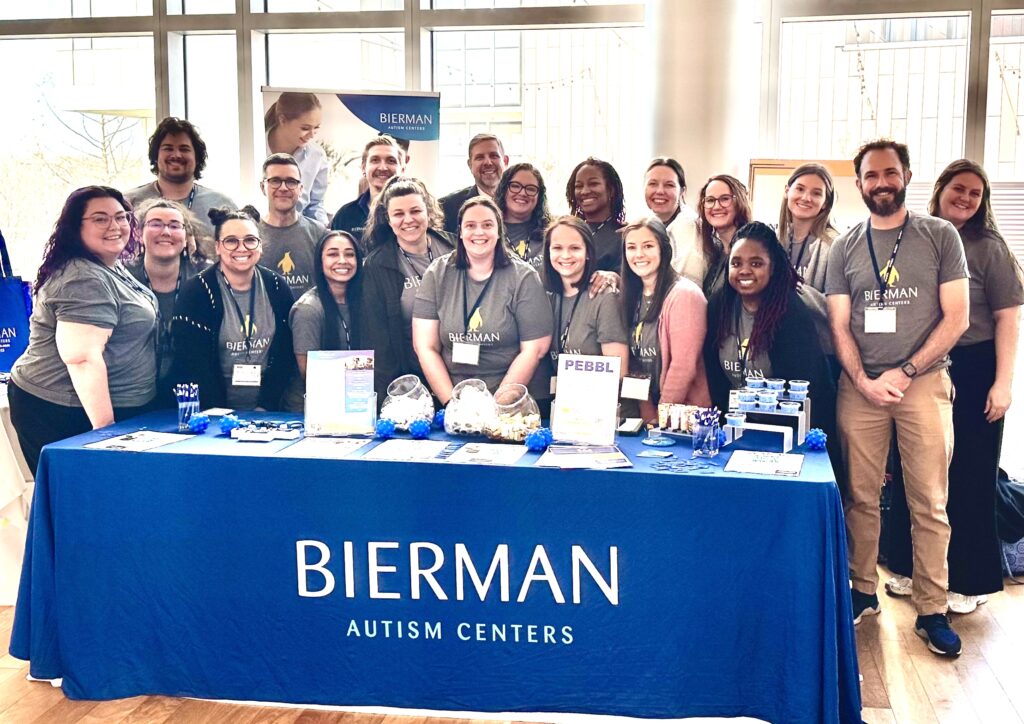
Bierman operates with a dual mission: exceptional outcomes for every child served, and exceptional development for every clinician trained here. The CiT program is where that second mission lives.
Many trainee experiences are structured around one thing: accumulating hours. This one is structured around building judgment.
Check-ins happen on a schedule, not around your learning needs
Supervisors observe from a distance or review notes after the fact
Feedback is generic and not connected to what you're actually working on
Hours are logged, but growth is left to chance
Every meeting is structured around your specific learning objectives
87% of clinical supervision happens in-center, so you're learning in an environment where real oversight is constant, not remote
Feedback connects what you're doing in session to the clinical thinking behind it
Coached growth. Not sink-or-swim.
The CiT curriculum covers the BACB task list and the skills required for BCBAs working with young learners in applied settings. Topics span terminology, discussion, and application, because being able to define a concept and being able to use it with a child are two different things.
Progress is measured every day at Bierman for the children we serve and for the clinicians we develop. As a CiT, you’ll learn to see that data the way an experienced BCBA does: as information that drives decisions, not just documentation that fills a folder.
Progress is measured every day at Bierman—for the children we serve and for the clinicians we develop.
Bierman rate applies to employees who accrued at least 50% of supervised hours at Bierman. National average based on BACB published pass rates.
Behavior Analyst Certification Board. (2026, March 26). Examination Information. https://www.bacb.com/examination-information/#ExaminationResults
90% of Clinical Directors at Bierman were promoted from internal BCBAs. 150 team members were promoted internally in 2025. The path from CiT to clinical leader is a real one here, supported by two systems built specifically for it.
You enter with direct-care experience and leave with the clinical judgment, supervised hours, and exam readiness to earn your BCBA.
You're credentialed and practicing. You own a caseload, lead a clinical team, and develop the behavior technicians you once were.
90% of Bierman's clinical directors were promoted from within. The path to regional and executive leadership is real — and it starts here.
Our internal learning and development platform combines role-based training, ongoing development courses, and leadership tracks so your growth has structure and your next step is always visible.


Through PEBBL (Progress through Evidence-Based Behavior Lab), Bierman’s practice-embedded research initiative, CiT trainees see how clinical work translates into structured inquiry that improves care over time. As your skills develop, there are opportunities to take a more active role in PEBBL, contributing to a field you’re learning to lead.
The CiT program is designed for behavior technicians currently employed at Bierman who are enrolled in or preparing to begin a BACB-approved graduate program in behavior analysis. If you’re serious about becoming a BCBA and want a training environment built around your development rather than just your hours, this is the program.
Explore open BT, RBT, and clinical roles at biermancareers.com to find a center near you and take the first step

The CiT program at Bierman is a structured clinical development pathway for behavior technicians working toward BCBA certification. It combines supervised fieldwork, a competency-based curriculum, onsite coaching, and a clear career pathway through the organization.
The program is designed for current Bierman employees who are enrolled in a BACB-approved Verified Course Sequence or ABAI-accredited graduate program and anticipate eligibility to sit for the BCBA exam within 3 to 4 months. Participants are typically behavior technicians in good standing who have passed their probationary period.
The CiT program is a defined developmental track that combines supervised fieldwork with Bierman’s clinical curriculum, Bierman University training, and a structured path toward BCBA certification and clinical leadership. It’s designed as a career development program, not just an arrangement for accruing hours.
CiTs are paired with a BCBA mentor and support all clinical activities conducted by their supervising BCBA. Supervision is structured, paid, and primarily delivered onsite, with individual meetings, group supervision in small cohorts, and regular client observations with real-time feedback. 87% of clinical supervision happens in-center, so you’re learning in an environment where real oversight is constant, not remote
For employees who accrued at least 50% of their supervised hours at Bierman, the BCBA exam pass rate was 85% in 2025. External candidates who completed supervision elsewhere had a 50% pass rate in 2025.
Most BCBAs who complete the CiT program at Bierman go on to clinical leadership roles within the organization. Ninety percent of Clinical Directors at Bierman were promoted from internal BCBAs. The teaching hospital model means there are clear pathways to Clinical Director and Regional leadership for BCBAs who want to grow.
Through PEBBL, Bierman’s practice-embedded research initiative, trainees are exposed to how real clinical work informs systematic improvement. As skills develop, some trainees take on more active roles in PEBBL projects.
Yes. Through PEBBL (Progress through Evidence-Based Behavior Lab), Bierman’s practice-embedded research initiative, trainees are exposed to how real clinical work translates into structured inquiry and improved practice. Some trainees take on more formal roles in PEBBL as they progress.