
Stories about famous people with autism have reshaped how the world understands neurodiversity. From award-winning actors to groundbreaking scientists, these individuals prove that autism spectrum disorder is not a limitation but a different way of experiencing and contributing to the world.
Representation matters. When public figures speak openly about their diagnoses, they challenge stereotypes, reduce stigma, and give hope to millions of families navigating similar journeys. This list highlights 10 well-known individuals who have publicly shared their autism diagnoses or self-identified as autistic, each demonstrating extraordinary talent across diverse fields.
Why Famous People with Autism Inspire Real Change
Autism spectrum disorder affects a significant portion of the population. According to the CDC’s latest surveillance data, 1 in 31 eight-year-olds in the United States are now identified with ASD. Despite this prevalence, misconceptions persist. Many people still associate autism with a narrow set of traits, overlooking the vast spectrum of strengths and challenges it encompasses.
When celebrities and public figures disclose their diagnoses, they humanize a condition that has long been misunderstood. Their stories demonstrate that autism presents differently in every person. Some individuals thrive in highly social careers, while others excel in fields requiring intense focus and pattern recognition. Understanding the levels of autism 1, 2, and 3 helps illustrate just how varied these experiences can be.
It’s worth noting that all individuals on this list have either received a clinical diagnosis or publicly self-identified as autistic. We’ve intentionally excluded anyone whose inclusion might spark controversy, focusing instead on figures whose stories uplift and educate.
10 Famous People with Autism Who Changed Their Fields
1. Temple Grandin, Animal Science Pioneer
Temple Grandin is perhaps the most recognized autistic person in the world. Diagnosed with autism as a child in the 1940s, when little was known about the condition, she went on to revolutionize livestock handling practices across the agricultural industry. Her visual thinking style, which she directly attributes to her autism, allowed her to design more humane systems that are now used in facilities handling over half of all cattle in North America.
Grandin is also a prolific author and professor at Colorado State University. Her books, including Thinking in Pictures, gave the public one of its earliest insider perspectives on how an autistic mind processes the world.
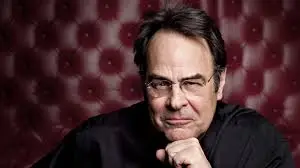
2. Dan Aykroyd, Comedy and Film Icon
The Ghostbusters star and original Saturday Night Live cast member has spoken publicly about his Asperger’s diagnosis (now classified under ASD). Aykroyd has shared that his intense fascination with ghosts and law enforcement directly fueled the creative concepts behind some of his most beloved films. His career spans decades of successful comedy, screenwriting, and entrepreneurship.
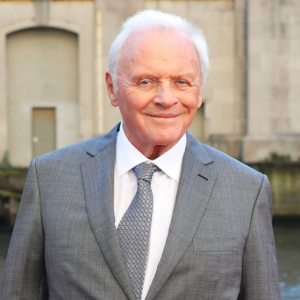
3. Anthony Hopkins, Academy Award-Winning Actor
Sir Anthony Hopkins received his autism diagnosis later in life and has described it as an explanation for traits he carried throughout his career, including an extraordinary memory and a deeply focused, solitary approach to studying characters. Hopkins credits his unique way of processing the world with helping him deliver unforgettable performances in films like The Silence of the Lambs and The Father.
His late diagnosis reflects a broader pattern among autistic adults. Many individuals, especially those who might present with characteristics associated with autism level 1, go undiagnosed well into adulthood because their traits were historically misunderstood or overlooked.
4. Hannah Gadsby, Groundbreaking Comedian
Australian comedian Hannah Gadsby received an autism diagnosis in adulthood, which she discusses candidly in her stand-up specials. Her Netflix special Douglas directly addresses her experience as a late-diagnosed autistic woman, using humor to dismantle myths about what autism looks like in women and nonbinary individuals. Gadsby has become an important voice for intersectional autism representation.
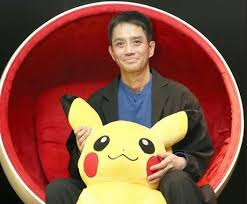
5. Satoshi Tajiri, Creator of Pokémon
The creator of the global Pokémon franchise has been publicly identified as autistic. Tajiri’s childhood passion for collecting insects, a highly focused interest characteristic of many autistic individuals, evolved into the concept of collecting and cataloging creatures that became one of the most successful entertainment franchises in history. His story illustrates how focused interests can become powerful creative fuel.
6. Susan Boyle, Singer and Television Personality
Scottish singer Susan Boyle became a global phenomenon when she auditioned for Britain’s Got Talent in 2009, captivating millions with her powerful voice and humble demeanor. In 2022, at age 61, Boyle received her autism diagnosis, which she has described as a moment of clarity that explained lifelong experiences of social anxiety and sensory sensitivities. Her extraordinary career trajectory, from small-town church singer to international recording artist, demonstrates that autism does not limit potential for success. Boyle’s late diagnosis has inspired countless adults to seek their own evaluations, showing that recognition and support can come at any stage of life.
7. Chris Packham, Wildlife Broadcaster
British naturalist and television presenter Chris Packham has been an outspoken advocate for autism acceptance since publicly discussing his diagnosis. His BBC documentary Asperger’s and Me provided a deeply personal look at how autism shapes his relationship with the natural world. Packham’s focused passion for wildlife mirrors the intense interests that characterize many autistic individuals.
8. Heather Kuzmich, Model and Reality TV Personality
Heather Kuzmich brought autism into mainstream reality television when she competed on America’s Next Top Model. She was open about her diagnosis throughout the competition, challenging the misconception that autistic people cannot succeed in highly social, image-driven fields. Her visibility helped a generation of young people see autism represented on primetime television.
9. Tim Ellis, Rocket Scientist and Entrepreneur
Tim Ellis, co-founder of Relativity Space, has discussed his autism publicly and credits his neurodivergent thinking with helping him approach aerospace engineering from unconventional angles. His company develops 3D-printed rockets, pushing the boundaries of manufacturing and space technology. Ellis represents the growing recognition of autistic talent in STEM and entrepreneurship.
10. Wentworth Miller, Actor and Advocate
The Prison Break star shared his autism diagnosis publicly in 2021, describing it as a process of self-discovery that began during the early months of the pandemic. Miller’s disclosure resonated deeply because he articulated the experience of receiving a diagnosis as an adult and reframing a lifetime of experiences through a new lens. His advocacy encourages others to seek understanding, regardless of age.
What These Stories Teach Us About Autism and Support
The achievements of these famous autistic individuals are inspiring, but they also come with an important caveat. These stories represent a small, highly visible slice of the autism spectrum. Many autistic people face significant daily challenges that require consistent, evidence-based support, especially during the early developmental years when early autism diagnosis and intervention can make a transformative difference.
Each person on this list benefited from some form of support, whether it was a family member who championed their interests, a therapist who helped them develop communication strategies, or a school environment that accommodated their needs. Behind every success story is a network of care. Services like ABA therapy, speech therapy, and occupational therapy provide structured, evidence-based pathways for children to develop the skills they need to thrive on their own terms.
Bierman Autism Centers specializes in providing these multidisciplinary autism therapy services in center-based settings designed specifically for children on the spectrum. Through a play-based learning approach, children build communication skills, develop daily living competencies, and grow in confidence, all within environments that celebrate their unique strengths.
Celebrating Neurodiversity Beyond the Spotlight
Famous people with autism help shift cultural narratives, but every autistic person’s story deserves recognition. Whether someone is a household name or a child just beginning to find their voice, the autism community is rich with talent, resilience, and possibility. The real power of these stories lies not in their exceptionalism but in the permission they grant: permission to be different, to need support, and to succeed in ways that don’t follow a conventional script.
If your family is navigating an autism diagnosis, you don’t have to figure it out alone. Schedule a consultation with Bierman Autism Centers to explore how personalized, evidence-based therapy can create progress and possibilities for your child.
Frequently Asked Questions
How can parents talk to children about autism using celebrity examples without creating unrealistic expectations?
Frame celebrity stories as proof that different brains can thrive, not as a benchmark your child must match. Emphasize your child’s strengths, interests, and supports, and highlight that success can look many different ways.
What is the difference between a clinical diagnosis and self-identifying as autistic?
A clinical diagnosis is made by qualified professionals using standardized evaluation methods. Self-identifying often reflects personal research and lived experience, but it may not unlock the same school, workplace, or insurance accommodations that a formal diagnosis can provide.
How do I evaluate whether an article about famous autistic people is credible and respectful?
Look for clear sourcing, accurate language, and confirmation that individuals have publicly disclosed or documented their autism. Avoid lists that speculate about diagnoses, rely on stereotypes, or use autism as a gimmick for clicks.
Why are autistic women and nonbinary people often diagnosed later than others?
Many learn to mask traits, are socialized to blend in, or are misdiagnosed with conditions like anxiety or ADHD first. Clinician awareness is improving, but screening tools and cultural expectations can still miss how autism may present across genders.
What accommodations can help autistic people succeed at school or work, even in highly social environments?
Common supports include predictable routines, written instructions, sensory-friendly spaces, flexible communication options, and clear feedback. The best accommodations are personalized, created collaboratively, and revisited as needs change.
How can families turn a child’s intense interests into healthy learning opportunities?
Use the interest as a bridge to build skills, for example reading, math, social interaction, or executive functioning, while keeping it enjoyable. Balance is key, supporting the passion while also teaching transitions, variety, and self-regulation.
If my child was recently diagnosed, what practical next steps should I take in the first few weeks?
Start by scheduling a comprehensive evaluation review and asking for a prioritized plan of goals across communication, daily living, and learning. Then coordinate with your child’s school or daycare, explore support options, and connect with local parent communities to reduce isolation and improve follow-through.