
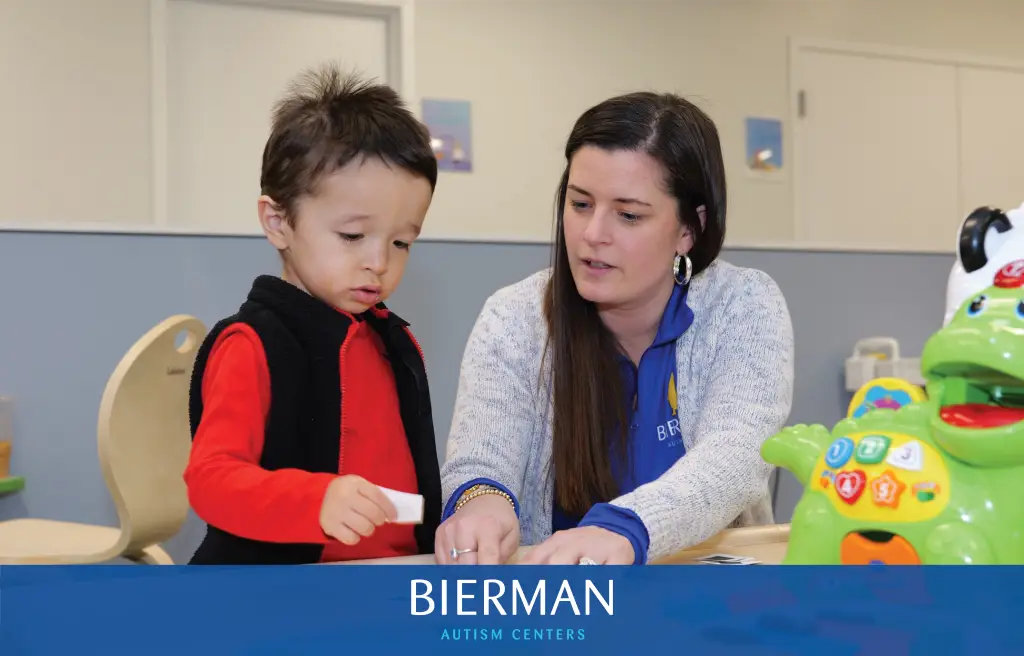
Are you a parent or caregiver of a young child with autism who is ready to start searching for an ABA provider? You might be wondering how to choose an autism provider and therapy team that your child will really connect to and love to play with. Many parents start by searching for an ‘autism therapist,’ but in practice, care is delivered by a coordinated clinical team
Choosing the right ABA therapy team is a wonderful first step in opening up a world of new possibilities for your child! Think of this as the beginning of an exciting partnership, one where you find a team that truly understands your child’s unique spark and is ready to help them shine.
While the initial steps can feel big, this is really about finding a community that celebrates your child’s strengths just as much as you do! So, what should you look for in an ABA provider?
Great question!
In most ABA programs, your child is supported by a team of clinicians working together under the guidance of a Board Certified Behavior Analyst (BCBA). This guide is here to help you spot the green flags of an amazing ABA provider and clinical team that leads with play, heart, and a deep respect for who your child is today, as well as who they will become tomorrow. Let’s jump right in!
A Parent’s Starting Point: What are the Options?
Finding the right autism center or ABA provider is like finding a new friend who speaks your child’s language. There is so much joy ahead, and you are perfectly equipped to choose the environment where your child will feel most inspired to explore and grow.
Once you start researching, it can seem like there are endless therapy acronyms and center descriptions to sort through. What should you really be looking for, and how do you know which option is the best for your family? Let’s break it down for you.
What Every Parent Should Know About ABA and Other Autism Therapies
Applied behavior analysis (ABA) is one of the most commonly recommended therapies for young children with autism, so it is likely to be one of the first options you hear about.
ABA breaks skills into manageable steps and uses positive reinforcement to help children learn communication, daily living, and social skills. There is not just one kind of ABA therapy, though. Some programs are highly structured and table-based, while others are naturalistic and play-based (such as those found at well-known centers like Bierman Autism Centers). Play-based approaches weave goals into games, pretend play, and everyday routines.
Reading different descriptions of ABA for children can give you a sense of how centers structure the day. Look for language about motivation, joy, and child choice, rather than only lists of target behaviors.
Remember: Your child is as unique as a snowflake! The ABA provider you choose should treat them as an individual and really focus on what makes your child feel comfortable and safe to express themselves and explore their world.
Different Ages, Different Priorities
The “right fit” can look a little different depending on your child’s age and stage of life.
For toddlers and preschoolers, priorities often include building communication (verbal, nonverbal, or device-based), early play skills, imitation, and comfort with new people and routines. Therapy for very young children should feel warm, playful, and closely tied to everyday life at home.

For early elementary-age children, you may be thinking about school readiness or support alongside school: following group instructions, managing transitions, building friendships, and coping with sensory demands. Collaboration between the therapy team and your child’s teacher becomes especially important here, so that goals and strategies line up across settings.
By the later elementary years, families often focus more on independence and self-advocacy: things like organizing materials, handling frustration, speaking up about needs, and learning safe boundaries in the community. The best programs adjust their approach as children grow, instead of keeping every child on the same path.
A Hybrid Approach to ABA Therapy
You may also be deciding between in-center, at-home, or school services. What’s the difference… and can you do them all?
The short answer is yes, you can (and should) practice ABA principles in and out of your ABA program, including at home. Here’s a quick breakdown:
- Center-based therapy is often the foundation of a child’s program, offering structured environments, specialized play spaces, and opportunities to learn alongside peers in a consistent, supportive setting.
- At-home ABA therapy plays an important role in reinforcing what your child is learning in therapy. This might include practicing skills during everyday routines like meals, bath time, or getting ready for school. Some providers may also offer clinician-delivered in-home ABA therapy, which is a different model and may not provide the same level of structure or peer interaction as center-based care.
- School therapy focuses on helping children navigate classroom routines, transitions, and social settings, often through collaboration between the therapy team and school staff.
If you have limited options locally, you can still prioritize safety and family involvement, even if you need to be flexible on location.
Many families find themselves deciding between center-based, at-home, or school ABA services. In practice, the best outcomes often come from a thoughtful combination of these models.
Use the comparison below to weigh how each setting supports your child.
| Feature | Center-Based ABA | Home-Based ABA | School |
| Purpose-built therapy environment | Yes | No | No |
| Staff highly trained in ABA | Yes | Yes — less staff oversight | No |
| High clinical intensity and teaching opportunities | Yes — consistent full-day schedule with many individualized learning opportunities | Varies by family schedule; frequent staff cancellations | No |
| Individualized, data-driven programs | Yes | Yes | No |
| Daily/weekly progress monitoring | Yes | Yes | No — IEP updates quarterly |
| Daily structured peer interaction and social skill development | Yes | No — limited to siblings or friends | Limited — unstructured peer interaction with little teaching |
| Full clinical team support (BCBAs, RBTs, assistants) always available | Yes | No | No |
| BCBA supervision | Yes | Yes | Limited — BCBA may be shared across school districts with caseloads that far exceed general standards of care |
| Multidisciplinary on-site collaboration (ABA + ST/OT) | Yes | No | Limited — speech/OT in schools may be constrained by IEP goals, time blocks, and availability, and is not coordinated with ABA strategies |
| Parent training and collaboration integrated into care | Yes | Yes | No |
| Access to therapy tools, materials, and specialized equipment | Yes | No | No |
| Proven model to “close the gap” for young learners (under age 7) | Yes | Yes | No |
| Real-time data review with daily program adjustments | Yes | No | No |
| Built-in school readiness support | Yes | No | Yes |
| Help with home routines | Yes | Yes | No |
| Guaranteed 1:1 support | Yes | Yes | Limited — schools may offer 1:1 but typically only a few hours per week; a 1:1 school aide is not always trained in ABA or supervised by a BCBA |
| Insurance coverage | Yes | Yes | Funded through public school |
How to Choose an Autism Provider: A Practical Parent Checklist
When every website sounds different and yet somehow the same, it helps to have a simple structure for comparing your options. When you are deciding how to choose an ABA provider, you can think in terms of five big areas: the therapy approach, your child’s daily experience, the team and supervision, family collaboration, and how progress is measured and shared.

What follows is both a high-level checklist and specific questions you can bring to phone calls and first meetings. Feel free to print it, highlight what matters most to you, and add your own notes based on your child’s personality and needs.
1. Joy and Play at the Center
A great provider should be able to explain their mission in a way that makes you smile. You want to hear how they follow your child’s lead and turn every learning moment into a game.
Whether it’s through giggles or curious exploration, therapy should feel like a natural part of being a kid. It’s all about creating a space where your child feels safe, seen, and excited to participate.
2. A Day in the Life
Imagine your child’s day: are they down on the floor playing with their favorite trucks or dolls? Is the room bright and cheerful but not too loud or overwhelming?
You’re looking for a sensory-smart environment where your child can truly be themselves. Ask for a tour to see if the atmosphere feels like a place where your child would love to laugh and discover new things.
3. A Supportive Team
Your child will spend their days working with dedicated team members as part of a broader clinical team, but it’s the whole team that makes the magic happen.
Look for a program where Board Certified Behavior Analysts (BCBAs) are hands-on, designing your child’s program, reviewing progress, and coaching the team members who work with your child every day. When the team feels supported and inspired, they bring that same wonderful energy to their work with your child.
4. Growing Together as a Family
You are the expert on your child, and the best therapy happens when you’re a part of the adventure! Look for a center that welcomes your input and offers parent coaching that feels like a friendly partnership. An ABA provider that truly wants to see your child succeed will take the time to also teach you how to transfer these ABA skills into your own home.
This helps the fun and the progress travel wherever you go with your child, so you can celebrate those “aha!” moments together at the dinner table or the park.
5. Celebrating Every Win
In a great program, progress is more than a number. In fact, it’s a story of growth. Ask how they track those special milestones and how they share them with you. Whether it’s a new word or a new way to play, the data should be clear and easy to understand. Most importantly, make sure they value your child’s happiness and independence as much as any skill on a list.
Pro-Tip: Ask to see real-life examples of children with autism who have graduated from their programs. Real families with real progress from the ABA provider are a true testimony of how well the program works.
Questions to Ask When You’re Learning How to Choose an ABA Provider or Clinical Team
Having a few friendly questions ready can turn a tour into a great conversation! These aren’t meant to be a quiz for the provider or clinical team, but rather a way to see if a center’s heart matches your own. You can tuck these into your notes to help you remember what matters most as you find that perfect fit for your child.
Feel free to add these to your list when you visit a provider for the first time. They are designed to help you move from simply looking to feeling truly excited about the path ahead.
- About their approach and values
- How do you decide which goals to work on first with each child?
- What does “play-based” mean in your sessions with young children?
- How do you think about behaviors like stimming or avoiding eye contact?
- What do you do if a child is saying “no” or showing they do not want to do an activity?
- About staff, training, and supervision
- Who will be working directly with my child day to day?
- How many children does each BCBA supervise, and how often are they in the room?
- How do you train new team members before they work independently with children?
- How do you support staff in learning about neurodiversity and trauma-informed care?
- About daily sessions and play
- Can I observe a session, either live or by video, before we enroll?
- What does a typical session look like for children my child’s age?
- How do you balance structured teaching with child-led play and breaks?
- How do you handle it if my child seems very distressed during a session?
- About family involvement and culture
- How will you learn about our family’s routines, values, and language?
- Do you offer interpreters or bilingual staff if we need them?
- How often will we have scheduled parent training or coaching sessions?
- How do you collaborate with schools, pediatricians, or other therapists?
- About progress and outcomes
- What might we expect to see after the first 3 months of therapy?
- How will you show me my child’s progress, and how often will we review goals together?
- What happens if we feel a goal is not meaningful for our child or family?
- How do you decide when to increase, decrease, or end services?
You can use this checklist whether you are just starting services, already in therapy and unsure if it is the right fit, or considering a switch. Over time, your answers to these questions should help you feel more like an active partner and less like a bystander.
Green Flags and Red Flags When Finding the Right Autism Center
Checklists and questions are powerful tools, but your gut feelings during tours matter too. As you continue learning how to choose an ABA provider and center, it helps to notice the small moments: how people talk about children, how they respond to your worries, and how your child seems to feel in the space.
Green Flags to Celebrate
These are positive signs that you may have found a provider who aligns with your child’s needs and your family’s values.

You do not need to see every single one, but several together are encouraging.
- Staff greet your child by name, speak directly to them, and seem genuinely curious about what they like and dislike.
- You are invited to observe sessions (live or via video) and encouraged to ask questions about what you see.
- Staff get down on your child’s level, follow their lead in play, and use toys, games, or sensory activities your child seems to enjoy.
- When you bring up behaviors or challenges, the team talks about building communication, coping skills, and independence—not just “fixing” or “normalizing” your child.
- They describe strategies for offering choices, honoring breaks, and teaching your child safe ways to say “no” or “I’m done.”
- They are open about using reinforcement and do not rely on punishment, or use of physical force.
- Cultural and language needs are taken seriously, and the team asks how to respect your family’s routines and traditions.
Red Flags to Take Seriously
On the other hand, some patterns suggest a provider may not be up-to-date with best practices or might not be the right fit for your child. If you notice several of these red flags, it is worth slowing down or exploring other options.
- Staff talks mostly about making children appear “indistinguishable from peers” without mentioning comfort or autonomy.
- There is a heavy focus on “compliance” and “obedience,” with little discussion of communication, coping tools, or self-advocacy.
- You are not allowed to observe sessions, and questions about what happens in the therapy rooms are dismissed.
- When you ask how they handle meltdowns or distress, answers sound vague, rely on punishment, or minimize your concerns (“they’ll just get used to it”).
- They insist on goals you are not comfortable with, such as forcing eye contact, without listening to your perspective.
- No one can clearly explain who supervises your child’s care, how often they see their BCBA, and how that supervision works.
- The environment feels either chaotic and unsafe or overly rigid, leaving children looking anxious, silent, or disconnected from play.
When you can spot red and green flags, it becomes much easier to choose the best ABA provider and clinical team for your family.
Find the Best ABA Provider with Bierman Autism Centers
At Bierman Autism Centers, we believe learning should be a joyful adventure! Our play-based learning approach meets children exactly where they are, using their natural interests to turn every therapy session into an exciting discovery. When kids learn through play, they stay motivated, and their new skills naturally travel with them from our center to your home.
Our clinical team works in a teaching-hospital style, meaning our clinicians are always learning and collaborating to provide the very best, sensory-smart care for your family. If you’re ready to see how we can help your child shine, we’d love to meet you!
Ready to start the journey? Visit us online to schedule a consultation. We can’t wait to show you around, answer your questions, and hear all about what makes your child special.
Frequently Asked Questions
How should I factor insurance and costs into choosing an ABA provider?
Ask each provider which plans they accept, what your out-of-pocket costs will be, and whether they help with authorizations and appeals.
How long should I stay with a new ABA provider before deciding if it’s a good fit?
Many families reassess after the first 8–12 weeks, once their child has settled into a routine and initial goals have been tried. During that time, watch for your child’s comfort, small but meaningful skill changes, and whether the team responds thoughtfully to your feedback.
What can I do if I disagree with the goals or strategies my child’s ABA team suggests?
Request a dedicated meeting to review each goal, share your concerns, and propose alternatives that better match your child’s needs and your values. A responsive team will adjust plans collaboratively and document any agreed-upon changes in writing.
How can I prepare my child for starting ABA therapy so it feels less stressful?
You can show photos of the center, drive by the building, or play pretend games about ‘going to see new helpers’ to make the experience more predictable. Sharing your child’s favorite activities, comfort items, and routines with the team ahead of time also helps the first sessions feel familiar.
How do I balance ABA with school and other therapies without overwhelming my child?
Start by clarifying your top priorities for the next few months, then work with providers to build a realistic weekly schedule that includes downtime. When possible, coordinate goals across school, ABA, and other services so progress in one setting supports the others instead of duplicating effort.
What can I do if there are long waitlists or only very traditional ABA programs in my area?
While you’re on waitlists, explore parent training options, virtual coaching, and community resources to build everyday supports at home. If you consider a more traditional program, ask specifically how they can individualize their approach, incorporate your child’s interests, and respect your boundaries around certain techniques.