Stimming, short for self-stimulatory behavior, is repetitive movement, sound, or action that helps a person regulate sensory input and emotion. Everyone stims in some way, whether it is tapping a foot during a long meeting, bouncing a knee under a desk, or twirling a strand of hair. In children with autism, stimming tends to be more frequent and more noticeable, and it is a natural, often helpful part of how they experience the world.
A child might rock back and forth during a car ride, hum the same three notes while building with blocks, or flap their hands when a favorite song comes on. These small, rhythmic actions serve a real purpose. Understanding why stimming happens, and when it might need support, helps parents respond with confidence rather than worry.

Why Do Children Stim?
Stimming almost always serves a purpose. Most often it supports sensory regulation, emotional expression, or focus.
Sensory regulation. A stim can calm an overwhelmed nervous system or add input when a child feels under-stimulated. A noisy classroom or a bright grocery store can flood a child’s senses, and repetitive motion helps turn that overload into something manageable. Other children stim to seek input their bodies crave, like spinning or jumping to feel grounded.
Emotional expression. Stimming is one of the ways children communicate how they feel, from excitement and joy to anxiety. When a child flaps their hands because they are happy, that is often called a “happy stim,” and it is a moment worth celebrating rather than correcting.
Focus. For many children, repetitive movement makes it easier to concentrate. A child who quietly squeezes a stress ball during circle time may be paying closer attention than they would sitting perfectly still, because the steady action anchors focus instead of pulling it away.
Common Types of Stimming, With Examples
Stimming can involve any of the senses, and most stims fall into a few recognizable categories. Recognizing the category helps parents understand what kind of input their child is seeking or avoiding.
Physical or motor stimming
Movement of the body or limbs. Examples include hand flapping, rocking back and forth, spinning, and pacing. A child might flap their hands when excited about a new toy or rock gently while watching a favorite show.
Vocal or verbal stimming
Repetitive sounds or speech. Examples include humming the same melody, repeating a phrase from a cartoon, or making clicking sounds. For children who are nonverbal or minimally verbal, vocal stims may include sustained vowel sounds or rhythmic noises.
Visual stimming
Seeking visual input. Examples include watching spinning objects, flicking fingers near the eyes, and turning light switches on and off. These behaviors often help a child regulate how they process what they see.
Tactile stimming
Seeking touch or texture. Examples include rubbing a soft blanket between two fingers, running a hand along a rough wall, and chewing on sleeves or shirt collars. Some children seek deep-pressure input by pressing against cushions or asking for tight hugs.
Object-based stimming
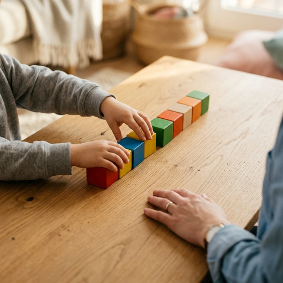
Repetitive play with objects. Examples include lining up toy cars in neat rows, spinning the wheels of an overturned truck, and opening and closing a book cover. The object matters less than the predictable sensory feedback it provides.
Is Stimming Always a Sign of Autism?
No. Stimming on its own does not mean a child has autism. It is a human behavior, and plenty of children and adults stim throughout the day without anyone raising a concern. It also occurs alongside ADHD, anxiety, and in children with no diagnosis at all.
What clinicians pay attention to is the bigger picture: how often a stim happens, how intense it is, and whether it affects daily life. A child who occasionally rocks during a movie is behaving typically. A child who stims for long stretches throughout the day and also shows other developmental differences, such as delayed speech or limited social engagement, may benefit from a professional evaluation. Stimming becomes part of that conversation only alongside other signs, and questions about a diagnosis are best explored through a full look at development, starting with understanding autism spectrum disorder.
When Does Stimming Need Support?
Most stimming is safe and beneficial, and needs no intervention at all. Support is only worth considering when a stim causes injury, gets in the way of learning or communication, or clearly distresses the child. A few flags to watch for:
- The stim causes harm. For example, head banging against hard surfaces or biting hands until they These behaviors may signal that a child is in pain or overwhelmed and cannot yet communicate a specific need.
- The stim blocks learning or connection. For example, a stim so constant that a child misses chances to engage with peers or participate in an activity.
- The stim causes distress. For example, a child who becomes very upset when a stim is interrupted, or who seems unable to stop even when they want to.
Even then, the goal is never to eliminate stimming. Respectful support starts with understanding what the behavior is communicating and finding safer ways to meet the same need. If you are unsure whether your child’s stimming needs support, scheduling a consultation with a clinical team can help you talk it through.
How ABA Therapy Approaches Stimming
Modern ABA therapy does not try to stop stimming. A Board Certified Behavior Analyst (BCBA) always starts by assessing the function a behavior serves before recommending any change, and understanding why a child stims determines whether support is needed at all.
The BCBA observes the child across settings and times of day, looking for patterns. Does the stim increase in noisy places? Does it happen more during transitions? Those observations reveal whether a stim serves sensory regulation, emotional expression, or communication. When a stim is safe and functional, a skilled clinician leaves it alone.
When a stim does need support, functional communication training gives a child another way to express the need the stim was filling. If a child bangs their head when overwhelmed by noise, for example, the team might teach them to request a break using a picture card or a simple sign, so the child gains a skill rather than losing an outlet. BCBAs also work closely with occupational therapists to meet sensory needs directly, offering a weighted lap pad for a child who craves deep pressure or a food-safe chew for a child who chews on unsafe objects. Across more than 30 centers in seven states, Bierman’s clinical teams see stimming every day, and the approach is always the same: understand first, respect the child, and support only what genuinely helps them thrive.
How Parents Can Support a Child Who Stims
Most of the time, the best thing a parent can do is observe, understand, and accept. A few simple practices help.
- Observe before you intervene. Notice when and where stims happen and how your child seems afterward. A simple log can reveal patterns you might miss in the moment, and sharing it with your child’s therapy team strengthens the partnership between home and clinic.
- Allow safe stims without comment. If a stim is not hurting anyone, there is no reason to stop it. Rocking and humming are part of how your child finds comfort, and suppressing safe stims can increase anxiety.
- Offer a safe sensory alternative when a stim is unsafe. Gently redirect toward a safer option that meets the same need, an approach many families practice through social skills training and simple ABA strategies at home. Textured fidgets, noise-reducing headphones, and weighted blankets can all help.
- Celebrate happy stims. When a stim expresses joy, mirror your child’s excitement. Children thrive in a supportive, play-based environment where their emotional expression is welcomed.
Frequently Asked Questions
What are common examples of stimming?
Common examples include hand flapping, rocking, spinning, humming, repeating words, watching spinning objects, and rubbing textures. Stimming can involve any of the senses. Every child stims differently, and many stims, like foot tapping or hair twirling, are behaviors nearly everyone does.
Is stimming always a sign of autism?
No. Stimming alone does not mean a child has autism. Everyone stims to some degree, and stimming also occurs with ADHD and anxiety. Clinicians look at the bigger picture, including communication and social development, before considering an autism evaluation.
Is stimming normal?
Yes. Stimming is a normal way the body regulates sensory input and emotion. For children with autism, stims are often more frequent or noticeable, and that is okay. Most stimming is healthy and needs no intervention at all.
Should I stop my child from stimming?
No, not unless the stim is harmful. Stopping stimming can take away a child’s way of coping and communicating. If a stim causes injury or blocks learning, a clinician can help identify why it happens and support a safer alternative.
What is the difference between autism stimming and ADHD stimming?
Both involve repetitive movement or sound, but ADHD stimming may be tied to restlessness, while autism stimming more often serves sensory and emotional regulation. The behaviors can look similar, so a professional evaluation is the best way to understand what is driving them.
When should I talk to a professional about stimming?
Talk to a professional if a stim causes injury, interferes with learning or daily activities, or your child seems distressed. A BCBA or pediatrician can help identify what the behavior communicates and whether support like ABA therapy or occupational therapy would help.
Understanding Stimming Is the First Step to Supporting It
Stimming is a natural part of how many children regulate their emotions and make sense of the world around them. Understanding what a stim means, and what it is doing for your child, shifts the question from “how do we stop this?” to “how do we help our child thrive?” Every stim tells a story about what a child needs, and learning to read that story is one of the most powerful things a parent can do.
Bierman Autism Centers takes this same approach across more than 30 centers in seven states, with over 375 successful graduations and more than 1,000,000 goals mastered. Their clinical teams pair ABA therapy services with a play-based learning environment, working alongside families to help your child express their needs and build life skills that help children succeed. If you are ready to take the next step, scheduling a consultation can connect you with a team that understands where your child is today and where they can go.